Australia

Ouvir conteúdo
Clique para ouvir o texto completoBasic Data:
-
Country ISO Code: AU
-
Official Language: English
-
Language ISO Code: en
-
Current Official Currency: Australian Dollar
-
Current Currency ISO Code: AUD
Complete Financial History of the Australian Dollar:
Official Currency: Australian Dollar (AUD)
-
Currency ISO Code: AUD
-
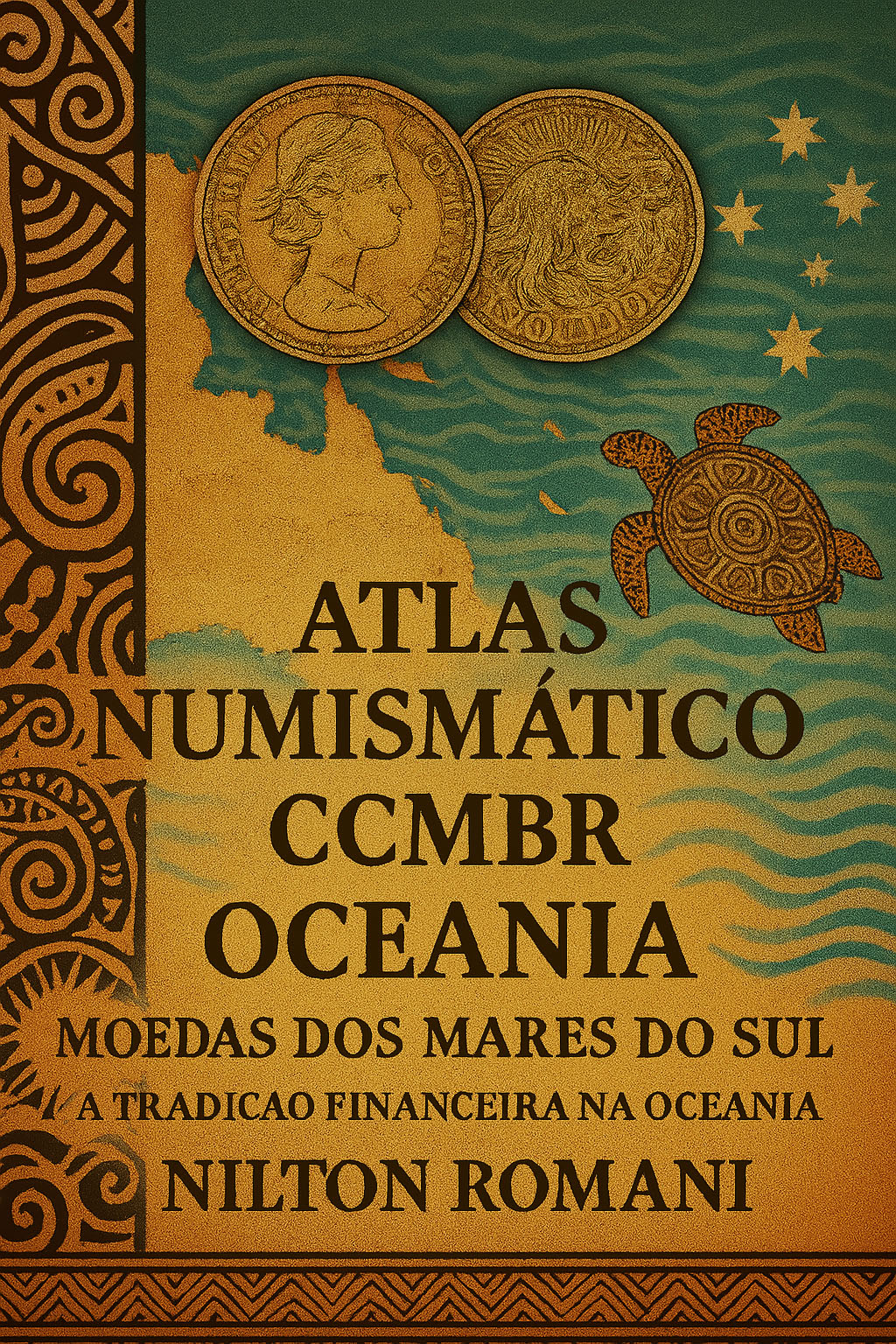
Designs / Symbols: Coins feature Queen Elizabeth II on the obverse and native Australian animals on the reverse, such as the kangaroo and lyrebird; banknotes depict prominent Australian figures, cultural symbols, and native wildlife. The currency symbol is "$" or "A$" to distinguish it from other dollar currencies.
-
Singular Name: dollar
-
Plural Name: dollars
-
Monetary Subdivision: 1 dollar = 100 cents
-
Fraction Name Singular: cent
-
Fraction Name Plural: cents
-
Initial Production Date: 14 February 1966 (decimal currency introduced)
-
End Production Date: still in circulation
-
Initial Circulation Date: 14 February 1966
-
End Circulation Date: still in circulation
-
Mint: Royal Australian Mint, Canberra
-
Issuing Bank: Reserve Bank of Australia
-
Coin Denominations Currently Minted: 5, 10, 20, 50 cents; 1 and 2 dollars
-
Banknote Denominations Currently Issued: 5, 10, 20, 50, 100 dollars
Historical and Economic Context:
-
Before Australian federation in 1901, six separate colonies issued their own currencies, all based on the British system and exchangeable at par.
-
The Australian pound was introduced in 1910, pegged at par to the British pound sterling, subdivided into 20 shillings and 240 pence.
-
In 1931, the Australian pound was devalued by 25% relative to the British pound.
-
Decimalisation was adopted on 14 February 1966, replacing the Australian pound with the Australian dollar at a rate of 2 dollars = 1 pound.
-
The Reserve Bank of Australia introduced polymer banknotes in 1988, making notes more durable and secure against counterfeiting.
-
The Australian dollar is one of the world’s most traded currencies, influenced by commodity exports and economic ties with Asia, especially China.
-
The currency has experienced fluctuations but remains stable, supported by Australia’s strong political and economic institutions.
Mints / Production Locations:
-
The Royal Australian Mint in Canberra is the sole producer of Australian coins.
-
Banknotes are printed by Note Printing Australia, a subsidiary of the Reserve Bank of Australia.
Designs / Symbols on Coins and Banknotes:
-
Coins feature Queen Elizabeth II’s effigy on the obverse and Australian native animals on the reverse.
-
Banknotes display portraits of prominent Australians, native wildlife, and cultural motifs, with advanced security features.
Mintages / Quantities / Honorees and Signatures:
-
Coin and banknote designs have evolved, with commemorative issues released for national events and anniversaries.
-
Banknotes bear signatures of the Governor and Deputy Governor of the Reserve Bank of Australia.
Curiosities / Commemorative Coins:
-
Australia issues commemorative coins in precious metals for collectors, celebrating historical events, cultural icons, and national achievements.
Current Circulation Status:
-
The Australian dollar is the official currency of Australia and several Pacific island nations and is actively circulated.
Issuing Authority:
-
The Reserve Bank of Australia is the sole issuer of banknotes and regulator of monetary policy.
Relevant Monetary Legislation:
-
Currency Act 1965 established the Australian dollar and its decimal system.
-
Reserve Bank Act 1959 governs the Reserve Bank’s functions.
Names and Titles on Banknotes:
-
Banknotes are signed by the Governor and Deputy Governor of the Reserve Bank of Australia.
Persons Honored on Coins and Banknotes:
-
Notable Australians such as Dame Nellie Melba, Banjo Paterson, Mary Reibey, and David Unaipon appear on banknotes.
-
Coins feature native animals and symbols of Australian heritage.
Summary of Coins and Banknotes Currently in Circulation:
| Type | Denominations in Circulation |
|---|---|
| Coins | 5, 10, 20, 50 cents; 1, 2 dollars |
| Banknotes | 5, 10, 20, 50, 100 dollars |
This report provides a comprehensive overview of the Australian dollar’s financial history, highlighting its introduction in 1966, evolution, design features, and current status as a stable and widely used currency.
- https://en.wikipedia.org/wiki/History_of_Australian_currency
- https://tradingeconomics.com/australia/currency
- https://en.wikipedia.org/wiki/Australian_dollar
- https://banknotes.rba.gov.au/australias-banknotes/history/
- https://www.cgaa.org/article/australian-money
- https://papers.ssrn.com/sol3/Delivery.cfm/SSRN_ID4113543_code1468331.pdf?abstractid=4113543&mirid=1
- https://studydestination.com.au/blogs/news/unlocking-the-secrets-of-the-australian-dollar-history-facts-and-tips?srsltid=AfmBOop1EnhayOm6gIjs-yzWIUdQsWAQcGXcPNYVbxFBfi9a455V8bx8
- https://www.xe.com/currencycharts/?from=AUD&to=USD
Comentários
Área de comentários em breve...